
OFFERING IN-PERSON AND ONLINE INDIVIDUAL AND RELATIONAL THERAPY FOR AGES 6+
When you’re stuck on the hamster wheel of life, it’s time to stop the spin and hop onto our couch!
Welcome to Willow Shore Counseling
You keep having this nagging feeling that you want to feel better and change some things in your life, but you feel paralyzed by the next step. Perhaps you're struggling with your relationship to food or your body, or you have obsessive thoughts and behaviors you can’t stop from coming up. You may be questioning aspects of your religion or life and don’t know who is safe to talk to about it.
At our clinic, it is our mission to provide quality therapy that encompasses a blend of skills, warmth and authenticity. We don’t believe a therapist should be a blank slate, and yet we don’t believe in being a paid friend. You’re coming to us because you want tools and help that you haven’t figured out on your own. Our job is to teach you the skills to feel better and provide a space to do that, while your job is to build deeper trust within yourself. We know that therapists can’t treat all issues, so we work hard to find a good match for your specific concerns.
Our goal is to ensure that you will feel comfortable in our office, knowing that we will respect your beliefs, background and experiences. Oh, and we also hope you enjoy a little humor as we all could use a laugh sometimes!
We believe in using skills, humor, empathy, and a little kick in the pants
Our Specialties

Eating Disorder Therapy
Are you struggling with your relationship to food or your body?

Faith Transition Therapy
Are you currently experiencing a shift in your religious beliefs? You can come to a place of peace.

OCD Therapy
Do you notice yourself frequently consumed by repetitive and unwanted thoughts?

Couples Therapy
Is conflict driving a wedge between you and your partner?

Trauma Therapy
Is something from the past keeping you from feeling safe and secure in the present?

ADHD Therapy
Are you or your child looking for ADHD support?

Anxiety Therapy
Are you exhausted from being worried all the time?

Depression Therapy
Are the majority of your days spent feeling hopeless, overwhelmed and disconnected?

Grief Counseling
Has a recent change or loss left you feeling overwhelmingly sad, isolated, and confused?
Meet our Team

Aislinn Kelly Burke,
LMFT CEDS-S
(She/Her/Hers)
Lehi Office
Eating Disorder Specialist, Anxiety, Depression, OCD, Women’s Issues, Faith-Transition/Deconstruction, LGBTQ+ ally. Self-Compassion Skills, Dialectical Behavior Therapy (DBT), Cognitive Behavior Therapy (CBT), Exposure Response Prevention (ERP), Acceptance and Commitment Therapy (ACT), Internal Family Systems (IFS) Informed. Individuals 18+ & Family therapy.

Stephanie Hundley, LCSW
(She/Her/Hers)
Provo Office
Eating Disorders, Anxiety, Depression, ADHD, Bipolar Disorder, Codependency, Grief, Life Transitions, Relationship Concerns, Self-Harming, Faith-transitions, LGBTQ+ ally. Attachment-Based, ACT, CBT, DBT, Teens, Individuals & Couples. Speaks Spanish.

Kendall Lloyd, LCSW
(She/Her/Hers)
Lehi Office
Anxiety, ADHD, Depression, OCD, Trauma, LGBTQ+ ally, DBT, DBT-PE (prolonged exposure), CBT, ERP, Sand Tray Therapy. Children 6+, Teens and Young Adults, Individual Therapy.

Sara Hathaway, AMFT
(She/Her/Hers)
Lehi Office
Anxiety, Depression, Women’s Issues, Faith-transition Concerns, Life Transitions, Eating Disorders, OCD, LGBTQ+ ally. ERP, IFS informed, Narrative Therapy, Solution Focused Therapy, Family Systems Theory, Individuals 16+, Couples & Family Therapy. Fluent in Portuguese.

Savannah Scott, AMFT
(She/Her/Hers)
CURRENTLY VIRTUAL ONLY
Provo office soon
Anxiety, Depression, Infertility, Postpartum Anxiety, Depression and OCD, Faith Transitions, Mixed-Faith Relationships, Relationship Distress, Religious Scrupulosity, Self-Harm, Suicidal Ideation. LGBTQ+ ally, Children 10+, Teens, Adults. Individual, Couples and Family Therapy. CBT, Emotionally Focused Therapy (EFT), ERP, Gottman Method, Solution Focused, ART (Accelerated Resolution Therapy).

Chanel Judkins, ACMHC
(She/Her/Hers)
Provo Office
Anxiety, Depression, Trauma, Faith Transitions, Life Transitions, Mixed-faith Marriages, Mixed Cultural Relationships, Self-Acceptance. LGBTQ+ ally, Teens 16+ and Adults. Eye Movement Desensitization and Reprocessing (EMDR), EFT, IFS Informed, CBT, Person Centered. Fluent in Spanish.
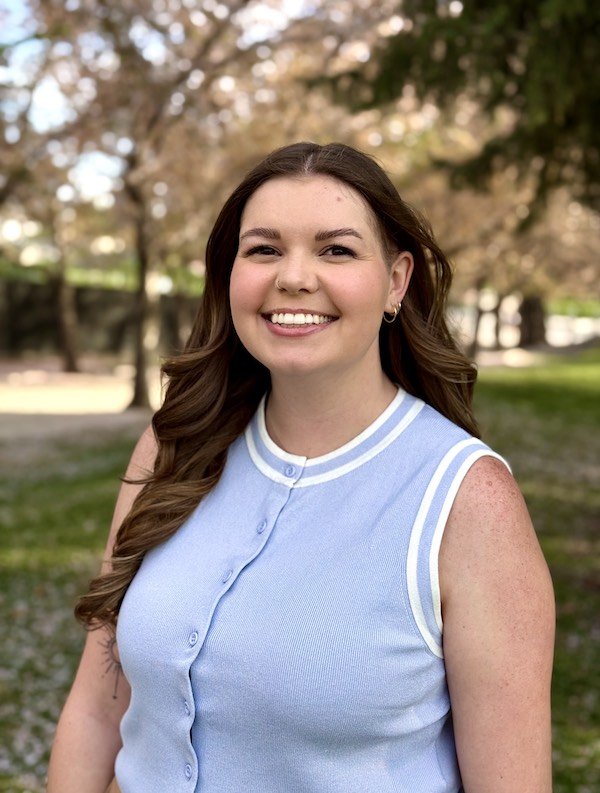
Kell Troff, AMFT
(She/Her/Hers)
Lehi Office
Anxiety, Depression, Discernment Counseling, Grief, Life Transitions, OCD, Parenting, Postpartum Mental Health, Mixed-Faith Relationships and Faith Transitions, Ethical non-monogamy & Polyamory, Sexual Issues, LGBTQ+ experiences, Relationship Distress, Body Positivity and Neutrality. Teens 14+, Individuals, Couples, Families. ERP, Narrative Therapy, Acceptance and Commitment Therapy, Bowen, Satir, Emotion Focused Therapy.

Hannah Cole, MFT Student Therapist (She/Her/Hers)
Lehi Office
ADHD, Anxiety, Depression, OCD, Parenting and Parent-Child Conflict, Relationship Distress. LGBTQ+ Ally, Children 10+, Teens, Individuals, Families, Couples. IFS informed, Emotionally Focused Therapy (EFT), Acceptance and Commitment Therapy (ACT), Cognitive Behavioral Therapy (CBT), Narrative Therapy, and Gottman Method Couples Therapy
Ready to Get Started?
Blog




If you’ve gotten this far, it means you are ready for the next step. Don’t hesitate, just make that call or email us today to schedule an appointment.

Therapy in Lehi, UT
1220 N 500 W Suite 201,
Lehi, UT 84043
While impulsivity is typically a normative experience in adolescence, those diagnosed with Attention-Deficit/Hyperactivity Disorder (ADHD) typically engage in more risky and impulsive decisions than their peers. Due to increased risk of impulsive choices, the teen years can feel scary for parents as they may witness their child experimenting with alcohol and drugs, risky sexual behavior or other behaviors that put them at harm.